Simple ways to save
Create a plan for your money
Savings is more than just a number in your bank account—it’s the foundation for your financial peace of mind. Getting started can feel overwhelming, but having a clear strategy makes the process much more manageable. Whether you are building an emergency fund or planning for the future, the right tools can help you reach your goals.
The 50/30/20 rule
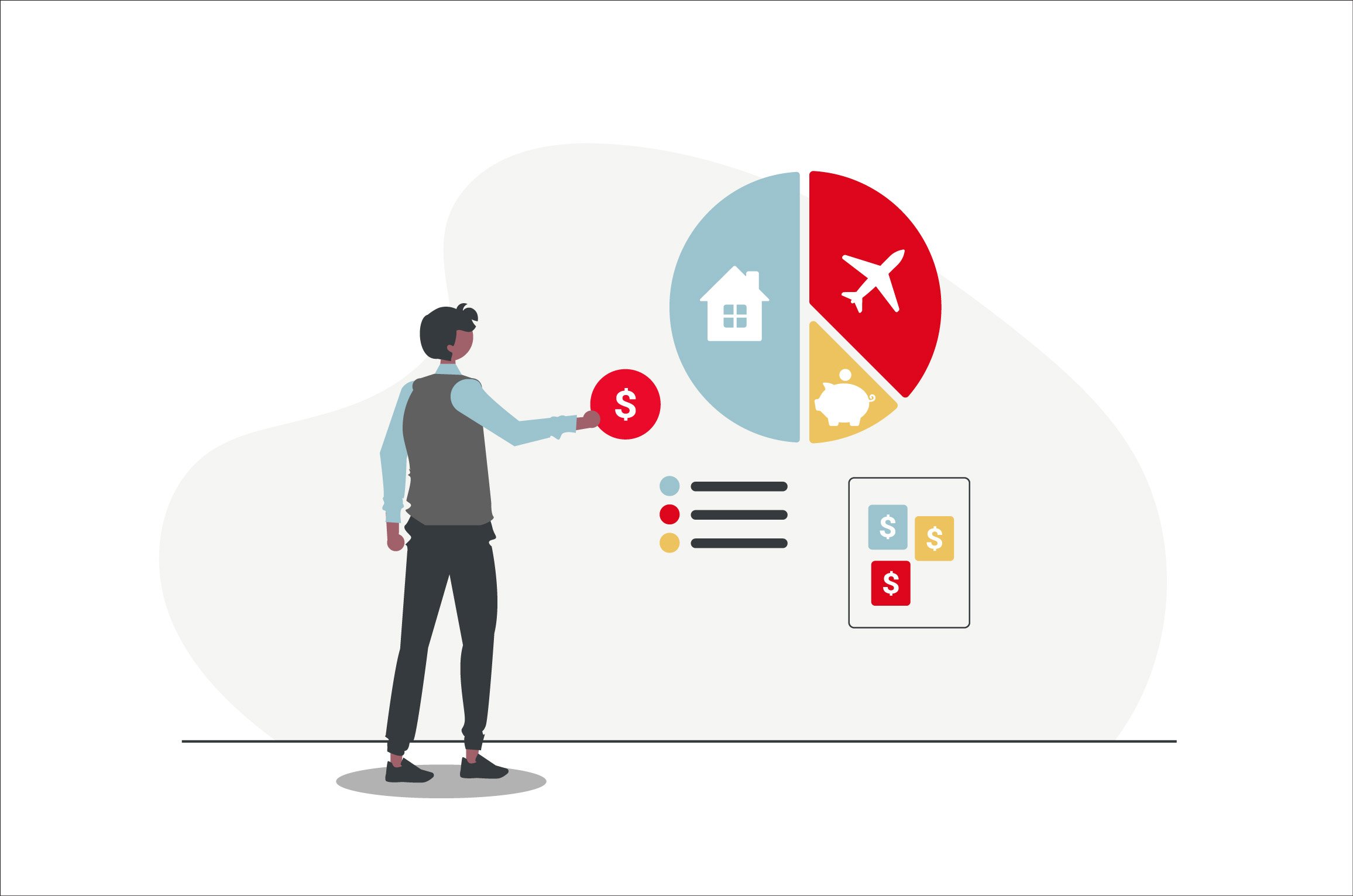
The 50/30/20 rule takes the guesswork out of budgeting. It organizes your income into three specific categories, so you always know where your money is going:
- 50% for Needs: Essential costs like housing and groceries.
- 30% for Wants: Lifestyle choices like dining out or hobbies.
- 20% for Savings and Financial Goals: This is the most important slice, covering debt repayment and your future self.
The First Step: Before you can apply this strategy, you must first have a clear picture of your current spending. We recommend creating a budget as your starting point. By tracking your actual expenses first, you can accurately see how much of your income is currently going toward each category.
What if the math doesn't align? Don’t worry if your spending doesn't fit the 50/30/20 split right away. It’s a target, not a day-one requirement. If your "Needs" or "Wants" take up more of your budget than you'd like, look for small areas to cut back. The goal is to make gradual adjustments until you reach a ratio that supports your long-term goals.
Pay yourself first
The most effective way to save is to treat your savings like a bill. Instead of waiting to see what remains after spending, set up an automatic transfer from your checking to your savings account to coincide with your paydays. By automating your savings, you remove the temptation to spend those funds, ensuring your savings stay on track for future expenses.
Sinking funds
A sinking fund is a simple way to save for large expenses that can often leave us feeling underprepared, such as holiday shopping or annual taxes. To start, determine how much you want to save and divide it by the number of months, paychecks or weeks remaining until the due date. This gives you a clear amount to set aside in increments. By building your savings gradually, you avoid the stress of a large expense later on.
The 48 hour rule
If you find yourself struggling with impulse shopping, the 48-hour rule is a powerful tool. When you feel the urge to make a non-essential purchase, set a 48-hour timer. If the timer expires and you no longer feel the "need" for the item, move that exact amount of money into your savings account or make a payment towards your debt instead. It’s a simple way to turn a potential expense into a meaningful contribution toward your financial goals.
Start saving today
Building a savings habit takes time. You don’t need to do everything at once—just pick one method that fits your lifestyle and focus on being consistent. Whether you are starting from scratch or just looking to improve, the best time to start saving for your future is today.
Ready to put these strategies into action? Explore our Savings Account options to find the right home for your money or take our savings challenge to build your savings week by week.
This article is for educational purposes only and is not intended to be financial, investment, legal, or tax advice. Always consult a qualified professional about your personal situation.
More articles from our Learning Center:
What is mortgage prequalification and how does it work?
How federal interest rate increases affect savings, loans and mortgages
How to budget for back-to-school
How to pay off debt
Paying down debt is one of the most effective ways to strengthen your financial future. Each payment you make helps reduce your balance and paying extra can reduce the interest you’ll pay over time. With a clear plan and consistent habits, managing and reducing debt becomes more achievable.
How to set savings goals
Saving money starts with a clear plan. Setting defined goals gives your money direction, keeps you motivated and helps you track your progress. Whether you’re preparing for something soon or planning ahead, a savings strategy can support your goals.