How to budget for back-to-school
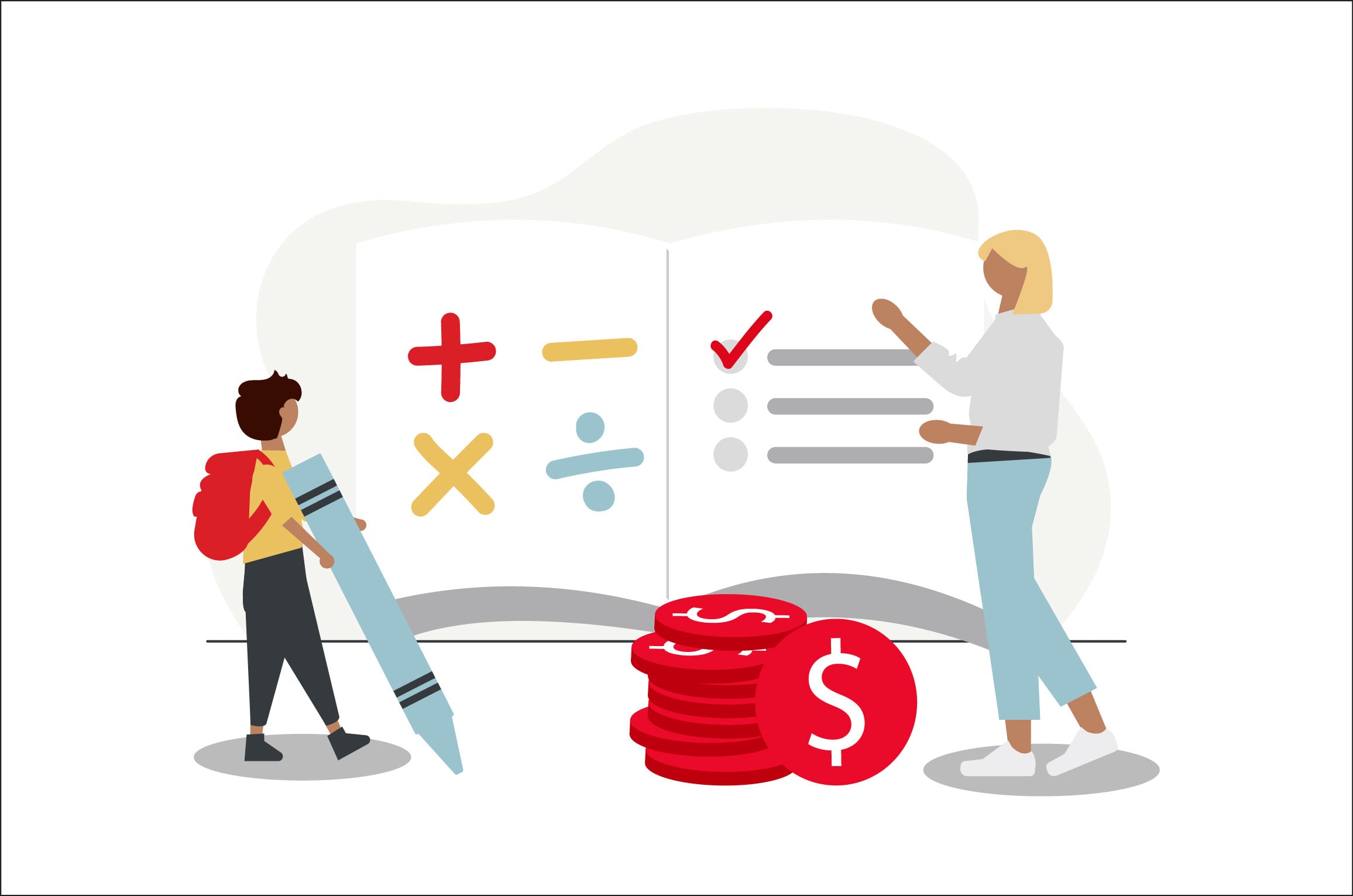
Back-to-school shopping can quickly add up. Creating a budget before the school year begins can help you manage costs, stay on track financially and prepare for the expenses that come with a new school year.
1. Start with a list
Before you shop, make a list of everything your student needs and prioritize the most important items first. Having a plan can help you avoid impulse purchases and focus your spending on the essentials.
2. Create a back-to-school budget
Set a budget for both back-to-school purchases and ongoing school-year expenses. Budgeting for each can help you stay on track and avoid surprises later in the year. Use our Back-to-School Budgeting Worksheet to organize expenses, set spending goals and create a plan before you start shopping.
3. Spread out purchases
You don't have to buy everything at once. Consider prioritizing immediate needs and spreading other purchases over time to help reduce the strain on your monthly budget. Shopping early for some items or waiting on less urgent purchases can help make back-to-school spending more manageable.
4. Check what you already have
Before heading to the store, check around your home for supplies. You may already have notebooks, calculators, pencils, backpacks or other items on hand.
5. Focus on value
When comparing products, consider both cost and quality. Choosing durable items may save money in the long run by reducing the need for replacements throughout the school year.
6. Look for back-to-school deals
Stretch your budget by using coupons, shopping sales and exploring secondhand stores, garage sales or community swap events. Small savings can add up quickly when shopping for school supplies.
7. Take advantage of tax-free weekends
Many states, including Arkansas, offer tax-free weekends during back-to-school season. Shopping during these events can provide additional savings on school supplies, clothing, shoes and some technology purchases.
Planning ahead
Back-to-school spending doesn't have to derail your budget. With a clear plan, a realistic budget and thoughtful spending strategies, you can set your student up for success while keeping your finances on track.
Looking for helpful financial resources? Explore Simmons Bank's Learning Center for resources to help you budget, save and manage expenses throughout the year: Learning Center | Simmons Bank
This article is for educational purposes only and is not intended to be financial, investment, legal or tax advice. Always consult a qualified professional about your personal situation.
More articles from our Learning Center:
What is mortgage prequalification and how does it work?

How federal interest rate increases affect savings, loans and mortgages
How to budget for back-to-school
How to pay off debt
Paying down debt is one of the most effective ways to strengthen your financial future. Each payment you make helps reduce your balance and paying extra can reduce the interest you’ll pay over time. With a clear plan and consistent habits, managing and reducing debt becomes more achievable.
How to set savings goals
Saving money starts with a clear plan. Setting defined goals gives your money direction, keeps you motivated and helps you track your progress. Whether you’re preparing for something soon or planning ahead, a savings strategy can support your goals.