Stay safe online
At Simmons Bank, security is a top priority. Whether you are banking in a branch or through our digital channels, Simmons has advanced systems and processes to protect you. However, your everyday activity outside of banking can also impact your online safety.
To help undercut attempts from cybercriminals looking to poach sensitive data, learn the most common cyber attacks and the steps you can take to stay digitally secure.
Common attacks and how to protect yourself
Have you ever been continually locked out of an account? Locked out the first time you attempted login? Received a verification code via text message or email when you were not accessing that account? If so, you are likely a victim of a credential stuffing attack.
Malware is a program designed to damage your computer. There are many types of malware with different intents: to spy on keystrokes, record usernames and passwords; to create backdoors for hackers to enter your system; or even to kill your system.
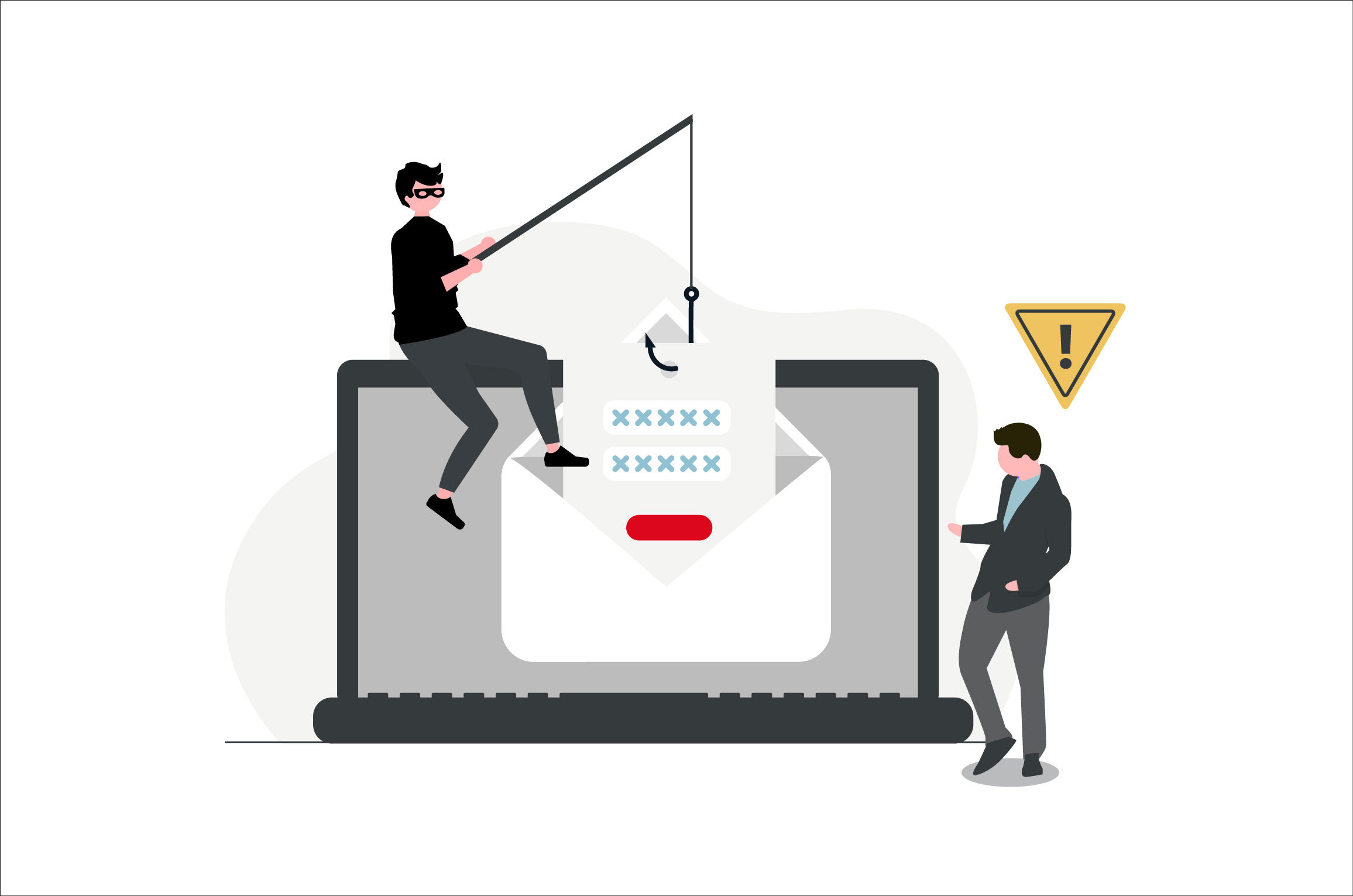
Phishing (pronounced “fishing”) is an email scam used by cybercriminals to trick people into revealing personal information that can be used to perpetuate identity theft. Simmons Bank will never request sensitive information via email or phone.
Do you know how to verify a website's legitimacy? Fraudsters will sometimes create a fake website that looks very similar to a legitimate website, to deceive or spoof customers, in order to obtain sensitive information. Although the spoofed site may appear legitimate, there are ways you can confirm you're on a secure and trusted website.
Device security means that all the internet-connected devices you own are monitored, managed and protected from malicious activity. The most common devices include laptops, phones, tablets, TVs, thermostats, etc. – known as the Internet of Things (IOT).
Dive deeper with our Learning Center
Easy tips to spot and avoid fraud
Scammers target everyone—regardless of age, background, or financial status. Their primary goal is to steal your money, your identity, or both...
How to protect yourself against phishing scams
Every day, thousands fall victim to phishing scams through fraudulent emails, texts, and calls from scammers posing as banks.....